Plumbing is a critical component of every building, whether residential or commercial. It encompasses a wide range of systems and processes that ensure clean water flows where it is needed and waste is safely removed. For beginners, navigating the world of plumbing can seem daunting, but understanding its basic principles can simplify the process, whether you are considering a DIY project, seeking professional help, or just curious about how your plumbing system works.
The Fundamentals of Plumbing Systems
At its core, plumbing consists of local professional plumbing repair three essential systems: potable water supply, drainage and venting, and sewage removal. Each plays a vital role in maintaining the functionality and hygiene of any property.
Potable Water Supply
This system brings fresh water into your home or commercial space. It includes pipes, fixtures like faucets and sinks, and appliances such as dishwashers. The water supply typically connects to municipal systems or private wells. Understanding how this system operates can help in troubleshooting issues like low water pressure or leaks.
In Minneapolis MN, many homes rely on city water services that undergo rigorous testing to ensure safety standards are met. Homeowners should regularly check their plumbing for signs of corrosion or leaks which could compromise water quality.
Drainage and Venting
Once used, water must be efficiently removed from the property through drain lines that lead to the sewer system or a septic tank. This system includes various components such as traps (which prevent sewer gases from entering your home), drain pipes, and cleanouts for maintenance access. Proper venting is crucial; it allows air to enter the drainage system which helps wastewater flow smoothly.
Problems in this area often manifest as slow drains or unpleasant odors emanating from sinks and toilets. Regular maintenance can prevent blockages caused by debris buildup.
Sewage Removal
This final component is responsible for transporting waste away from your property to treatment facilities or septic systems. In urban areas like Minneapolis MN, most buildings connect directly to city sewer lines. Understanding how this system functions can help you identify potential issues before they escalate into costly repairs.
Common Plumbing Issues
Even with a solid understanding of how plumbing systems work, issues can arise unexpectedly. Here are some common problems you may encounter:
- Leaky Faucets: A dripping faucet not only wastes water but can also increase your utility bill significantly over time. Clogged Drains: Hair, soap residue, food particles, and other debris often cause clogs in sinks and shower drains. Running Toilets: This issue usually stems from faulty flapper valves that allow water to continuously leak into the bowl. Low Water Pressure: Various factors such as pipe obstructions or leaks can lead to decreased water flow throughout your home. Water Heater Problems: Issues such as temperature inconsistencies may arise due to sediment buildup inside the tank.
Recognizing these problems early enables timely intervention through either professional plumbing repair services or DIY fixes when feasible.
When To Call A Professional Plumber
While some minor repairs can be handled independently with basic tools and knowledge, certain situations demand professional expertise:
Major Leaks: If you discover significant leaks causing flooding or structural damage. Sewage Backups: These pose serious health risks requiring immediate attention. Complex Installations: Tasks like replacing a hot water heater or installing new plumbing fixtures often require building permits and adherence to codes. Unfamiliar Systems: If dealing with unfamiliar materials like PVC piping instead of traditional copper. Persistent Problems: Ongoing issues despite repeated attempts at DIY fixes warrant professional diagnostics.Hiring a licensed plumber ensures compliance with local regulations while providing peace of mind during repairs.
Choosing Between Residential and Commercial Plumbing Services
Understanding the distinction between residential and commercial plumbing is essential when selecting services tailored to your needs.
Residential Plumbing Services
These focus on single-family homes and apartments where typical tasks include routine maintenance, repairs for common plumbing installation household fixtures (like sinks), and emergency plumbing repair for sudden leaks or clogs disrupting daily activities. Residential plumbers often have experience working with older homes where unique challenges may arise.
Commercial Plumbing Services
Commercial plumbing caters to businesses ranging from small shops to large corporate offices requiring extensive systems capable of handling higher volumes of usage simultaneously. Jobs often involve installing complex piping systems in larger buildings along with accommodating specialized equipment such as commercial-grade dishwashers or laundry machines.
In both cases—residential and commercial—plumbers benefit greatly from having strong troubleshooting skills since they frequently encounter unexpected issues requiring quick solutions.
Emergency Plumbing Repair Considerations
Every homeowner dreads waking up to find their basement flooded due to a broken pipe or coming home after work only to discover that their toilet won’t stop running over onto the floor below it. Knowing whom to contact for emergency plumbing repair makes a significant difference during stressful situations.
Here are key points all homeowners should consider:
- Availability: Look for companies offering same-day plumbing repair services; emergencies rarely occur during regular business hours. Response Time: Quick response times minimize damage; ask about average arrival times when vetting professionals. Licensing & Insurance: Ensure any plumber you hire carries proper licenses along with liability insurance protecting you against mishaps during service delivery. Customer Reviews: Online testimonials provide insight into past clients' experiences; look for consistent positive feedback regarding responsiveness and quality work performed by chosen contractors. Warranty Policies: Reliable companies offer warranties covering parts replaced during repairs providing assurance knowing future issues will be addressed without additional costs incurred shortly thereafter.
Selecting an experienced plumber who understands local regulations specific to Minneapolis MN enhances overall service quality while ensuring compliance across various projects undertaken at both residential properties as well as commercial establishments alike.
Basic Plumbing Tools Every Homeowner Should Have
Equipping yourself with some fundamental tools makes minor repairs more manageable—and could save you money down the line if problems arise unexpectedly:
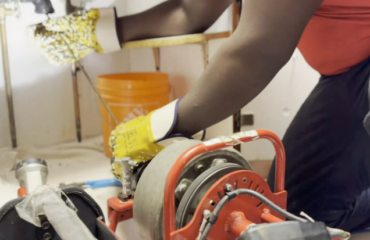
Plunger: Essential for clearing minor clogs in toilets or sinks quickly without needing professional help. Pipe Wrench: Useful for tightening or loosening fittings on pipes; helps reduce strain when dealing with stubborn connections. Adjustable Wrench: Versatile tool effective during various installations allowing adjustments on different-sized nuts/bolts seamlessly. Drain Snake: Handy device designed explicitly for removing hair/build-up within drains effectively without damaging piping structures. Teflon Tape: Vital sealing agent used around threaded connections preventing leaks within newly installed fixtures/pipes ensuring long-lasting integrity post-installation efforts completed successfully!
Having these tools readily available empowers homeowners towards proactive maintenance responsibilities while also making them feel more capable tackling smaller jobs independently when necessary arises!
Understanding Local Codes & Regulations
Every city has specific regulations governing installation practices related specifically toward plumbing infrastructure which must adhere strictly concerning safety considerations throughout each stage involved—from planning designs through implementation phases until final inspections conducted post-completion confirm everything meets established standards outlined clearly beforehand!
In Minneapolis MN particularly noteworthy aspects include:
- Compliance requirements regarding backflow prevention measures ensuring safe drinking water remains uncontaminated by nearby sewer systems Permits required prior commencing work on major renovations involving significant alterations affecting existing utilities within residences/businesses alike Standards dictating minimum distances maintained between different utility lines installed underground reducing risks associated with accidental ruptures occurring during excavation activities performed elsewhere within proximity nearby properties involved!
Navigating these rules may seem cumbersome initially however consulting local resources (such as municipal offices) provides clarity surrounding expectations set forth thus making it easier ultimately achieve desired results upon completion desired projects undertaken successfully!
By understanding these key facets about plumbing—along with recognizing when hiring professionals becomes necessary—beginners gain confidence managing their own spaces effectively while fostering greater appreciation toward those who maintain our vital infrastructure everyday!